Product Description:
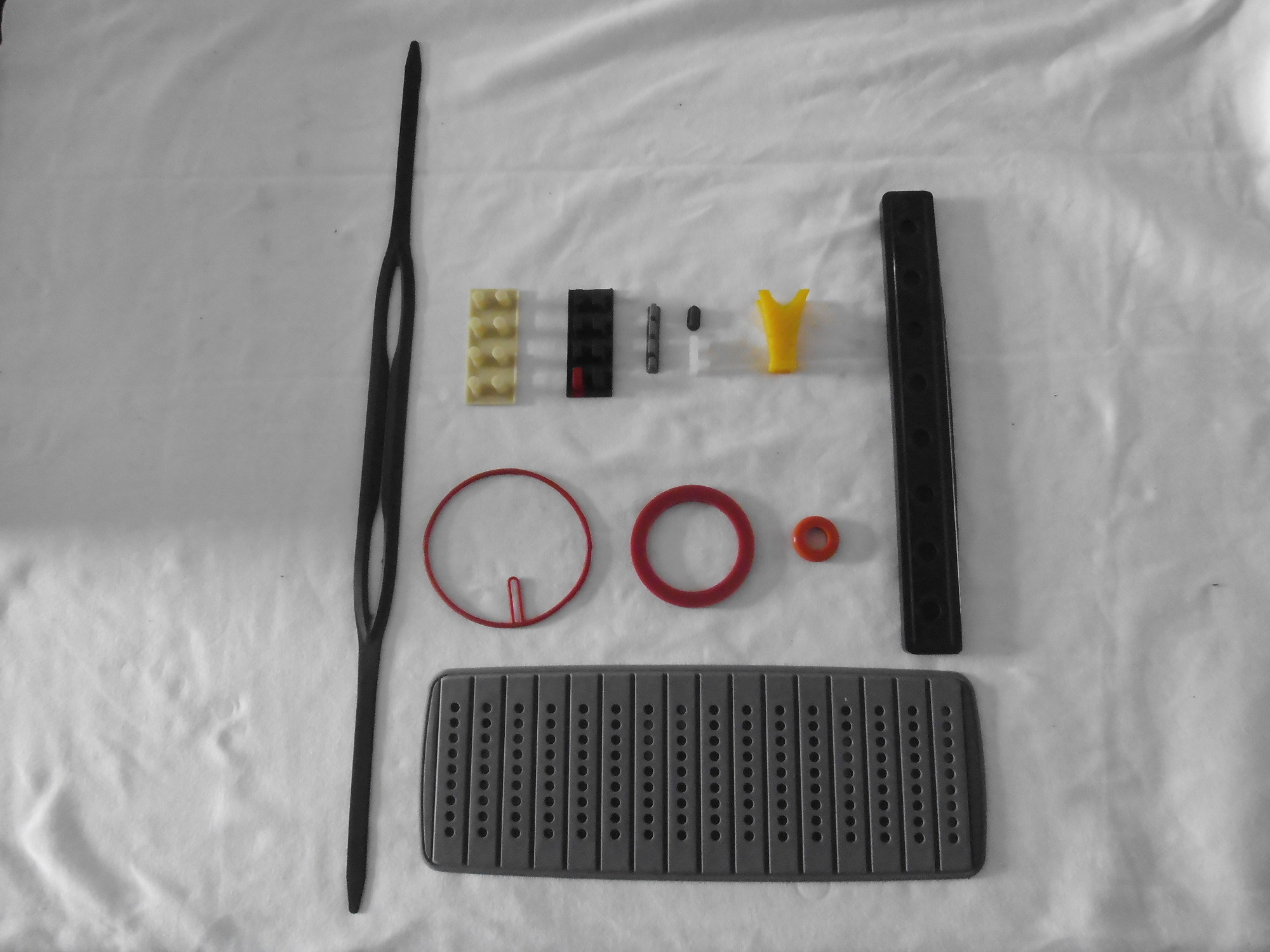
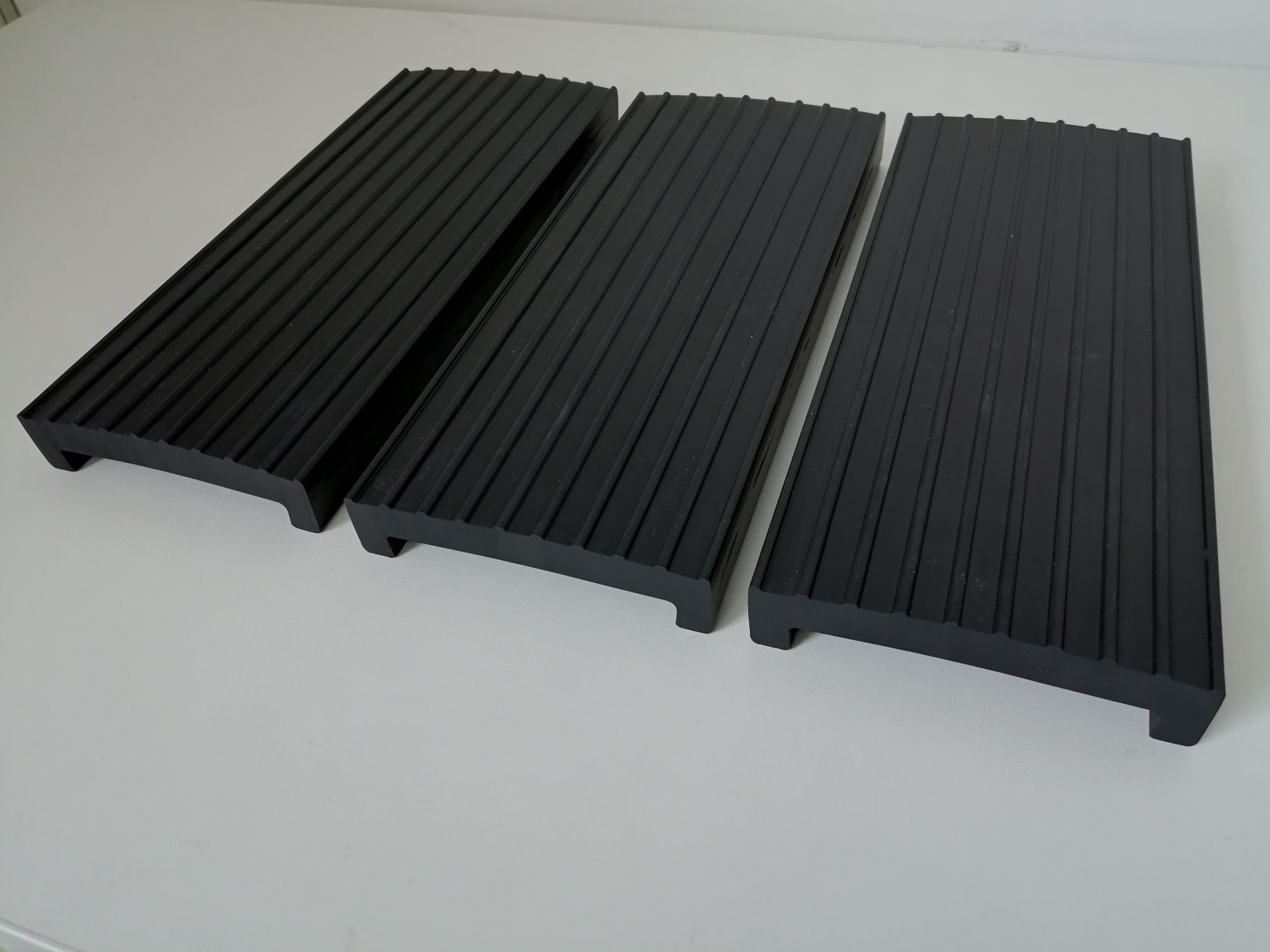
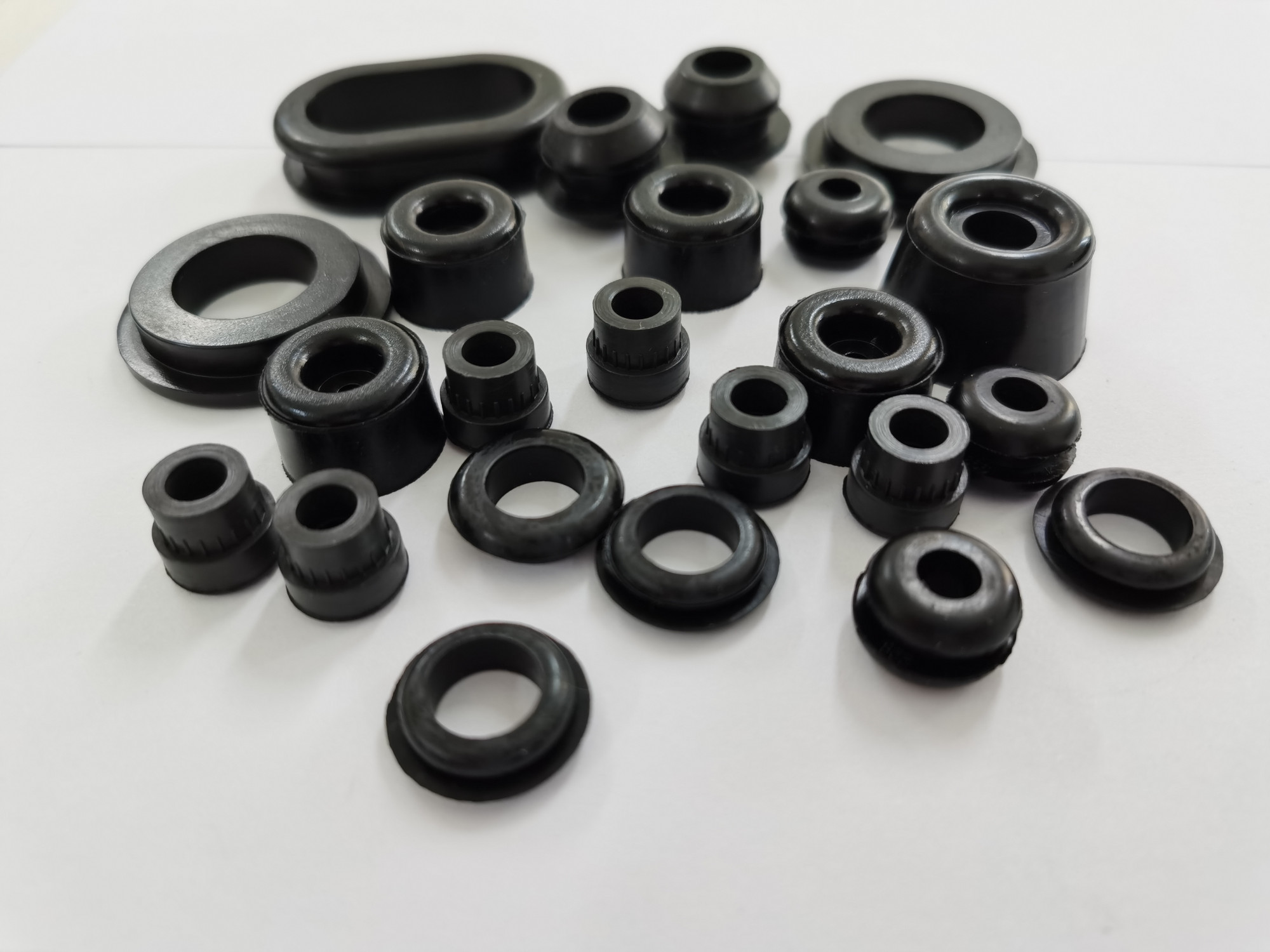
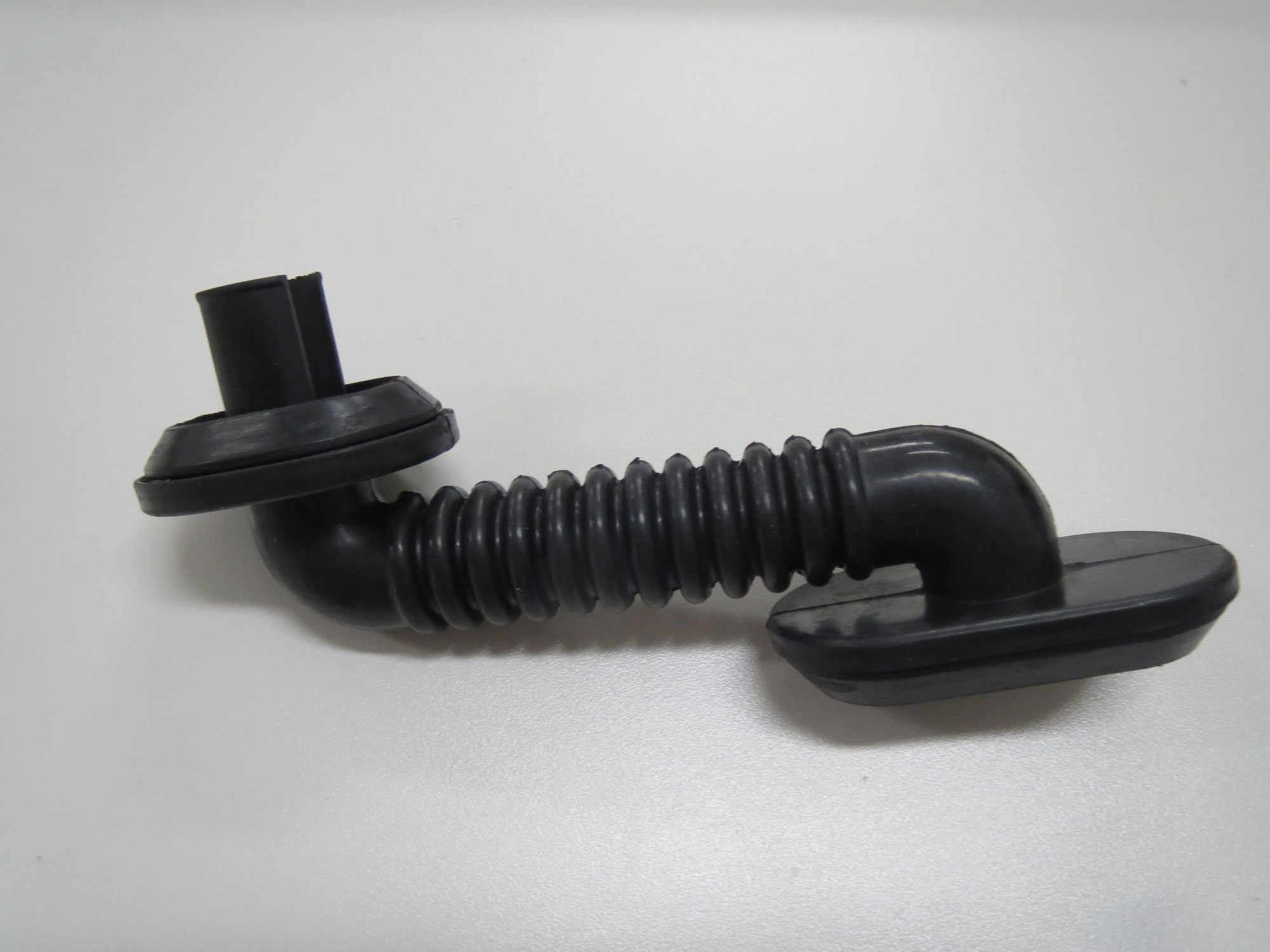
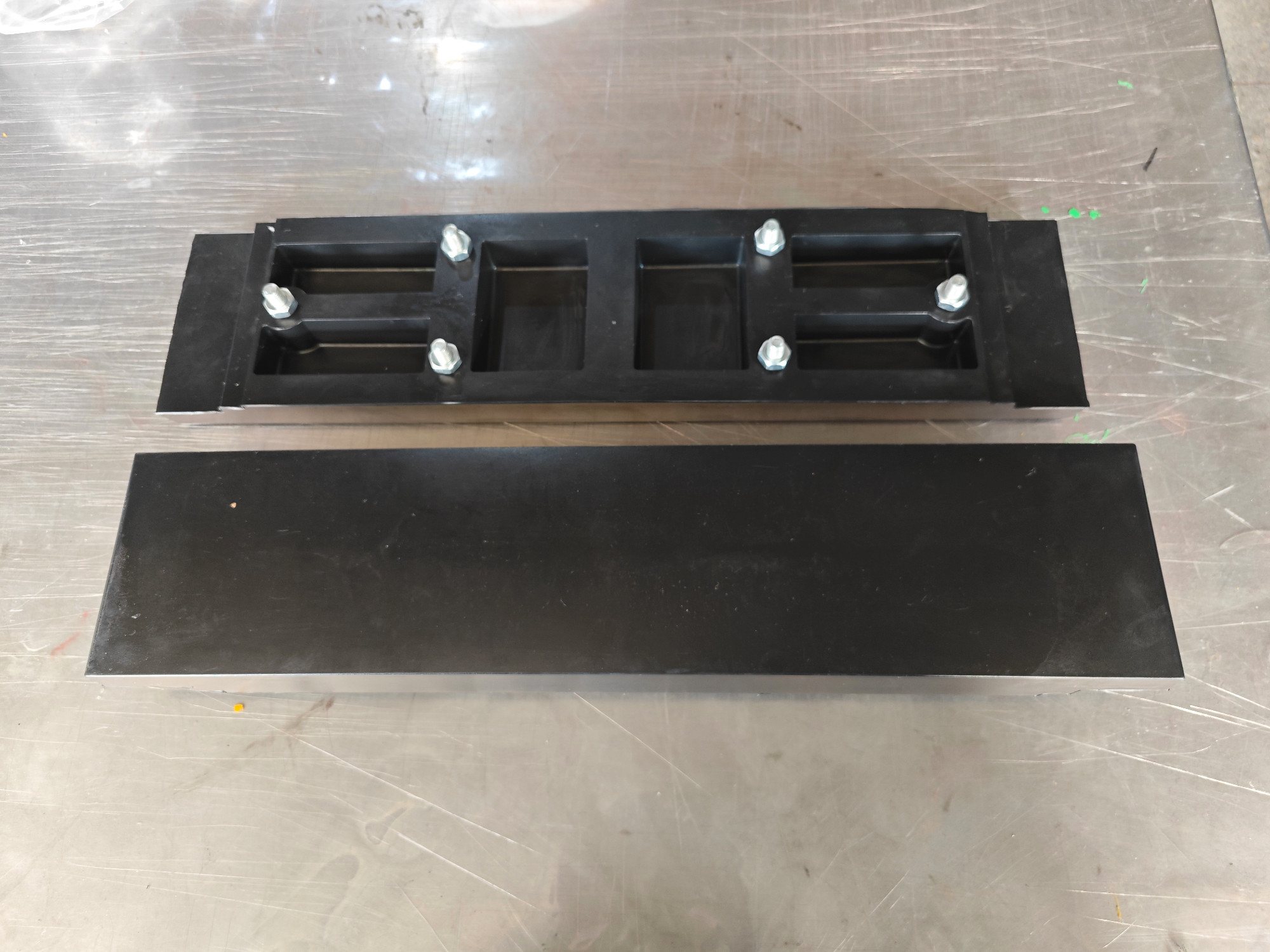
Custom Rubber Molded Parts
Custom Rubber Molded Parts: Tailored Solutions for
Precision and Performance
Custom rubber molded parts are rubber
parts that are designed and manufactured to meet specific customer
requirements. They are typically used in applications where standard rubber
products are not available or suitable.
At CHC, we specialize in manufacturing custom rubber molded
parts that cater to your exact specifications, offering solutions that
enhance performance and meet industry standards.
Key Features and Benefits of Custom Rubber Molded Parts:
-
Tailored to
Exact Specifications: Custom
rubber molding offers the flexibility to create parts that precisely match
the design and functional requirements of your application. Whether it's a
unique shape, size, or specialized material requirement, custom molding
ensures a perfect fit for your needs.
-
Versatile
Material Options: A wide range
of rubber materials can be used in custom molding, including EPDM, Nitrile, Silicone, Neoprene, Viton, and more. Each material
offers unique properties, such as heat resistance, oil resistance,
flexibility, or chemical resistance, enabling us to select the most
appropriate material for your application.
-
Cost-Effective
Production: Custom rubber molded
parts are cost-effective for both low and high-volume production. Once a
mold is created, it can be used repeatedly for mass production, reducing
the overall cost per unit for large batches. This makes custom rubber
parts ideal for applications ranging from prototypes to large-scale
manufacturing.
-
Precision and
Accuracy: Rubber molding
processes, such as compression molding, injection molding,
and transfer molding, allow for high precision and tight
tolerances. This is crucial for parts that need to fit within a system or
machinery with minimal clearance, ensuring a proper seal, fit, and
functionality.
-
Durability
and Performance: Rubber
molded parts are designed for long-term use, offering resistance to wear,
chemicals, UV rays, and extreme temperatures. Whether your part is exposed
to harsh industrial environments, automotive systems, or medical devices,
custom rubber molded parts ensure that it perform reliably over time.
-
Flexible and
Complex Shapes: Rubber
molding allows the production of parts with intricate designs and
geometries that would be difficult or impossible to create using other
manufacturing techniques. This flexibility makes it ideal for parts like
seals, gaskets, bushings, and other components that require custom
configurations.
-
Enhanced
Safety and Reliability: By ensuring
a perfect fit and creating parts from high-quality materials, custom
rubber molded components enhance the safety and reliability of the system
they are used in. These parts are essential for preventing leaks, reducing
wear, and maintaining the integrity of the overall system.
Common Applications of Custom Rubber Molded Parts:
-
Automotive
Industry: In the automotive
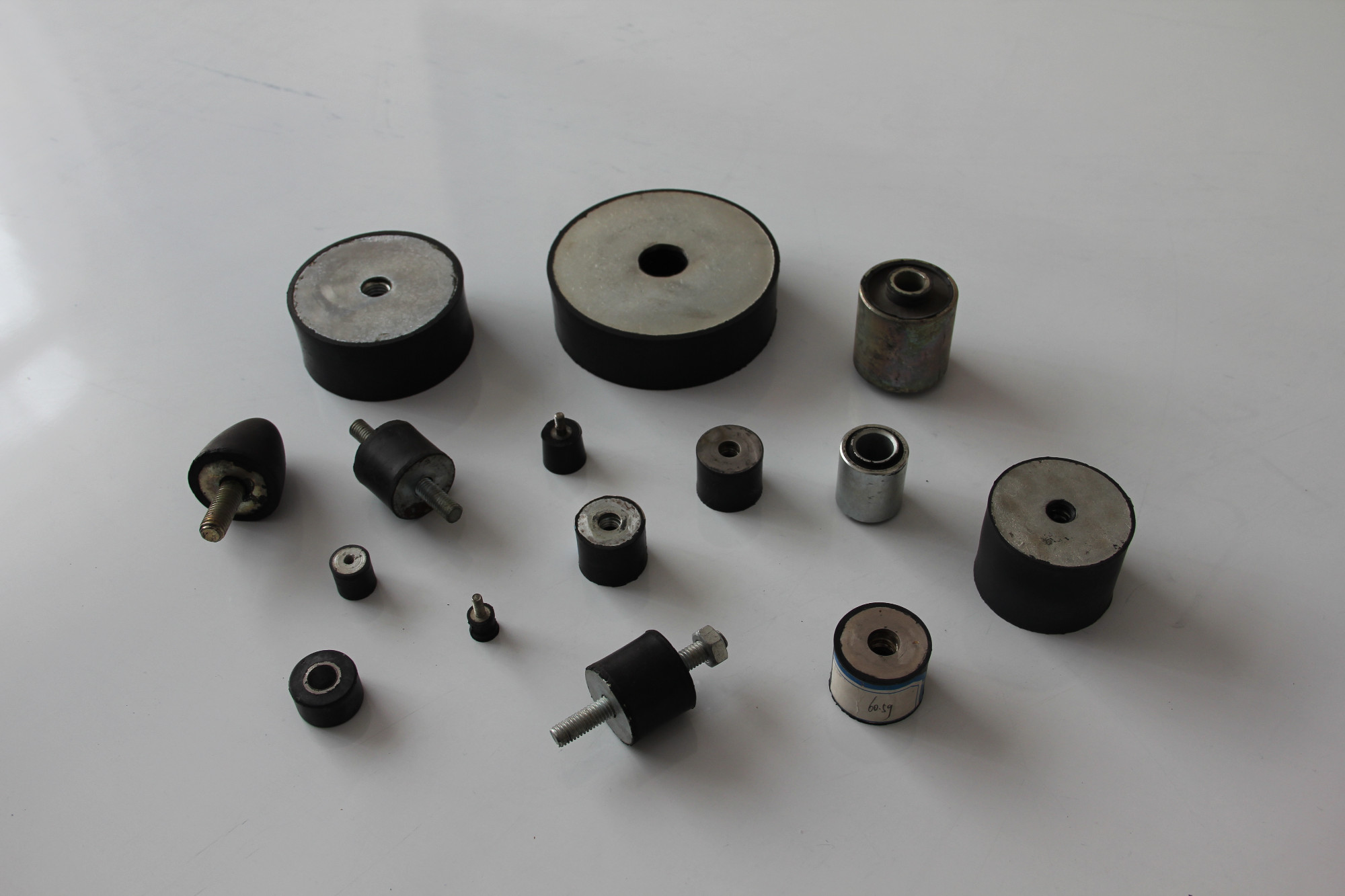
industry, custom rubber molded parts are used for seals, gaskets,
vibration isolators, bushings, and O-rings. These parts are essential for
ensuring that vehicles perform efficiently, maintain fluid integrity, and
absorb vibrations.
-
Applications: Seals, gaskets, bushings, vibration isolators,
weatherstripping, fuel line components, and engine mounts.
-
Industrial
and Machinery Components: Custom rubber molded parts are widely used in industrial machinery to
provide sealing, vibration dampening, and fluid containment. They are also
crucial for protecting sensitive components from dirt, moisture, and harsh
chemicals.
-
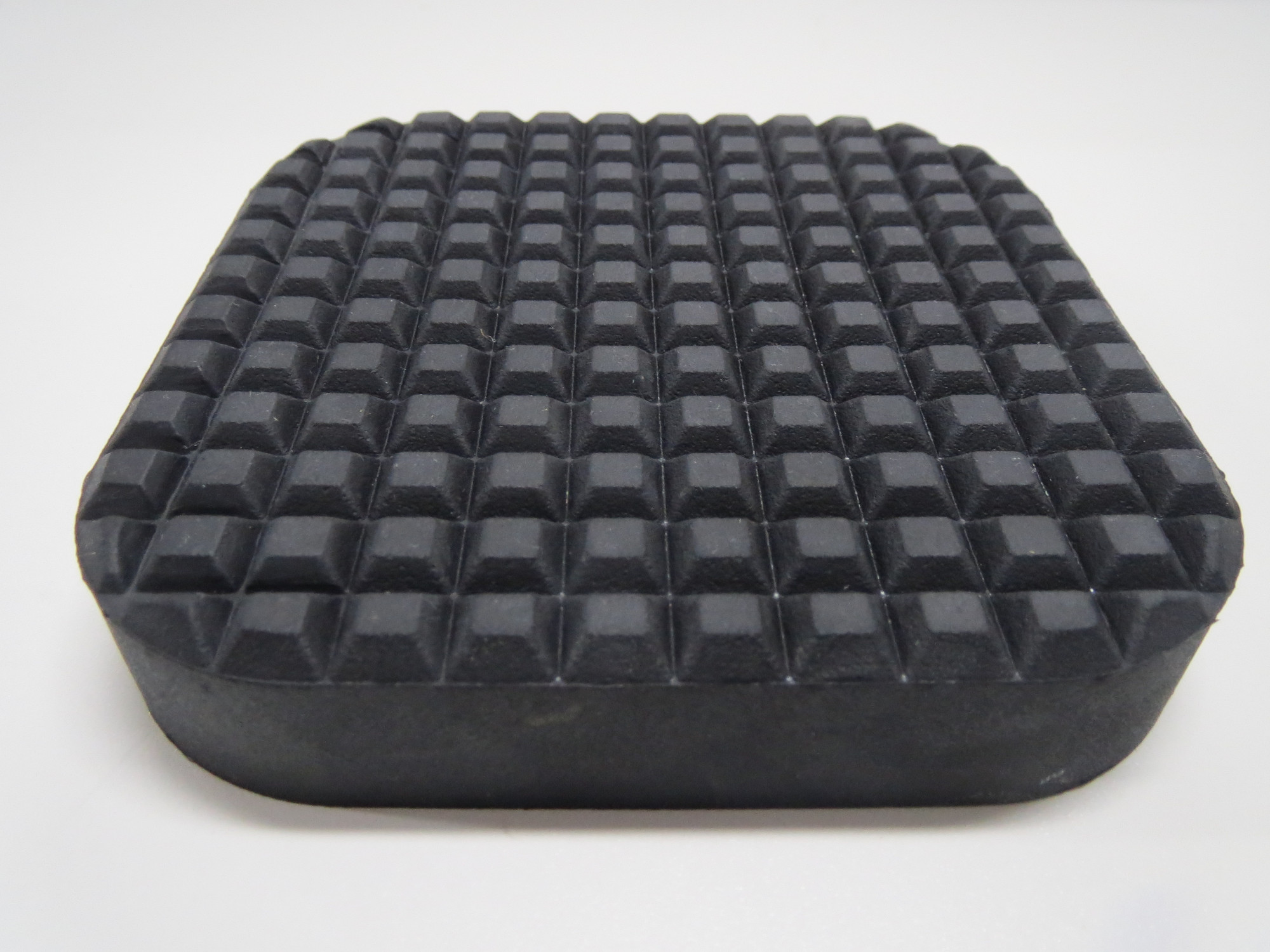
Applications: Gaskets, seals, vibration dampers, protective
covers, anti-slip pads, washers.
-
HVAC Systems: In heating, ventilation, and air conditioning
(HVAC) systems, rubber molded parts are used for seals, insulation, and
vibration dampening to ensure energy efficiency, noise reduction, and
consistent temperature regulation.
-
Applications: Seals, vibration isolators, gaskets, flexible
hoses, duct connections.
-
Medical
Devices and Pharmaceutical Equipment: Rubber molded parts are used in medical devices, ensuring airtight
seals, flexibility, and safety in environments where hygiene and
performance are critical. Silicone rubber, in particular, is widely used
for its biocompatibility.
-
Applications: Seals for medical devices, gaskets, tubing,
diaphragms, surgical components.
-
Consumer
Electronics: Rubber
molded parts are essential in consumer electronics, particularly for
sealing components, waterproofing, and shock absorption. Parts such as
rubber keypads, covers, and seals provide protection from dust, moisture,
and physical damage.
-
Applications: Rubber seals, gaskets, waterproofing
components, keypads, shock-absorbing materials.
-
Food and
Beverage Industry: Custom
rubber molded parts are used in food and beverage manufacturing to prevent
contamination, seal machinery, and ensure proper fluid handling. Materials
like EPDM and Silicone are food-safe and suitable for these
applications.
-
Applications: Seals, gaskets, tubing, hose connectors, food
processing equipment parts.
-
Aerospace and
Military: In aerospace and
military applications, rubber molded parts are used for sealing, vibration
isolation, and protection against extreme environmental conditions. These
components must meet stringent regulations and high-performance standards.
-
Applications: Seals, vibration isolators, gaskets, fuel
system components, aerospace equipment parts.
Types of Rubber Used:
-
Natural
Rubber: Offers good tensile
strength and elasticity.
-
Synthetic
Rubber: Such as Neoprene,
Nitrile, Silicone, and EPDM, each offering unique properties like oil
resistance, temperature resistance, or electrical insulation.
Rubber Molding Processes for Custom Parts:
-
Compression
Molding: In compression molding,
rubber is placed in an open mold cavity, where it is heated and compressed
to form the desired shape. This method is ideal for large, simple parts or
low-volume production.
-
Applications: Large seals, gaskets, and O-rings.
-
Injection
Molding: Injection molding
involves injecting rubber material into a closed mold under high pressure.
It is highly efficient for producing parts with complex geometries and
tight tolerances in high volumes.
-
Applications: Small parts like gaskets, seals, and bushings.
-
Transfer
Molding: Transfer molding is
similar to injection molding, but the rubber material is pre-heated and
transferred into a mold cavity under pressure. It is often used for parts
requiring precise control over material distribution.
-
Applications: Seals, gaskets, and complex molded parts.
-
Liquid
Silicone Rubber (LSR) Molding: Liquid Silicone Rubber molding involves injecting liquid silicone
into a mold cavity and curing it at high temperatures. This process is
widely used for applications that require biocompatible materials or high
flexibility.
-
Applications: Medical devices, food industry parts, and
components requiring biocompatibility.
Why Choose CHC for Custom Rubber Molded Parts?
-
Custom
Solutions: At CHC, we
specialize in providing custom rubber molded parts designed
specifically for your unique application. Whether you require custom
shapes, sizes, or materials, we can deliver the perfect solution.
-
High-Quality
Materials: We offer a wide range of
rubber materials, including EPDM, Silicone, Nitrile, Neoprene, Viton, and more. Our team works with you to select the right
material based on your specific application requirements, ensuring that
the parts perform reliably in your environment.
-
Precision
Manufacturing: Our rubber
molding processes ensure high precision and tight tolerances, providing
you with parts that fit perfectly within your system. With advanced
molding technologies, we ensure consistent quality and performance.
-
Competitive
Pricing: With years of experience
in rubber molding, we offer cost-effective solutions for both low and
high-volume production runs. We aim to provide the best value for your
investment, with quality products at competitive prices.
-
Global
Expertise and Reliability: CHC has extensive experience in manufacturing custom rubber parts for
industries around the world, including automotive, industrial, medical,
aerospace, and more. Our commitment to quality and customer satisfaction has
made us a trusted supplier to companies worldwide.
Custom rubber molded parts provide
the flexibility, durability, and performance needed for various industrial,
automotive, medical, and consumer applications. From gaskets and seals to
vibration isolators and bushings, rubber molding offers precise, cost-effective
solutions for a wide range of complex parts.
At CHC, we provide tailored solutions, utilizing high-quality
materials such as EPDM, Silicone, Nitrile, and Neoprene to meet your exact specifications. Whether you need a single prototype or
large-scale production, our advanced molding techniques and engineering
expertise ensure that your custom rubber parts meet the highest standards of
quality, reliability, and performance.
Additional information
|
Custom rubber molded parts
|
1. Material Composition: Natural Rubber, Silicone, Neoprene, etc.
2. Hardness: 50 –80 Shore A
3. Tensile Strength: Typically between 10-15 MPa (1,450-2,180 psi).
4. Elongation at Break: Ranges from 300-650%.
5. Compression Set: Good to very good, depending on the grade.
6. Temperature Resistance: -40°C—150°C
7. Chemical Resistance: Resistant to most weak acids, alcohols, and
water. Vulnerable to oils, fuels, and certain solvents.
8. Color: Typically color:black. Custom color available.
9. Manufacturing Process: compression molding.
10. Dimensional Tolerance: DIN ISO 3302-1 Cl.2
11. Applications: Industries or Automotive.
12. Certifications: ISO, REACH, ROHS.
13.UV resistance, flame resistance.
14. Packaging: Ploybag+ Cartons. Pallets if needed.
|